
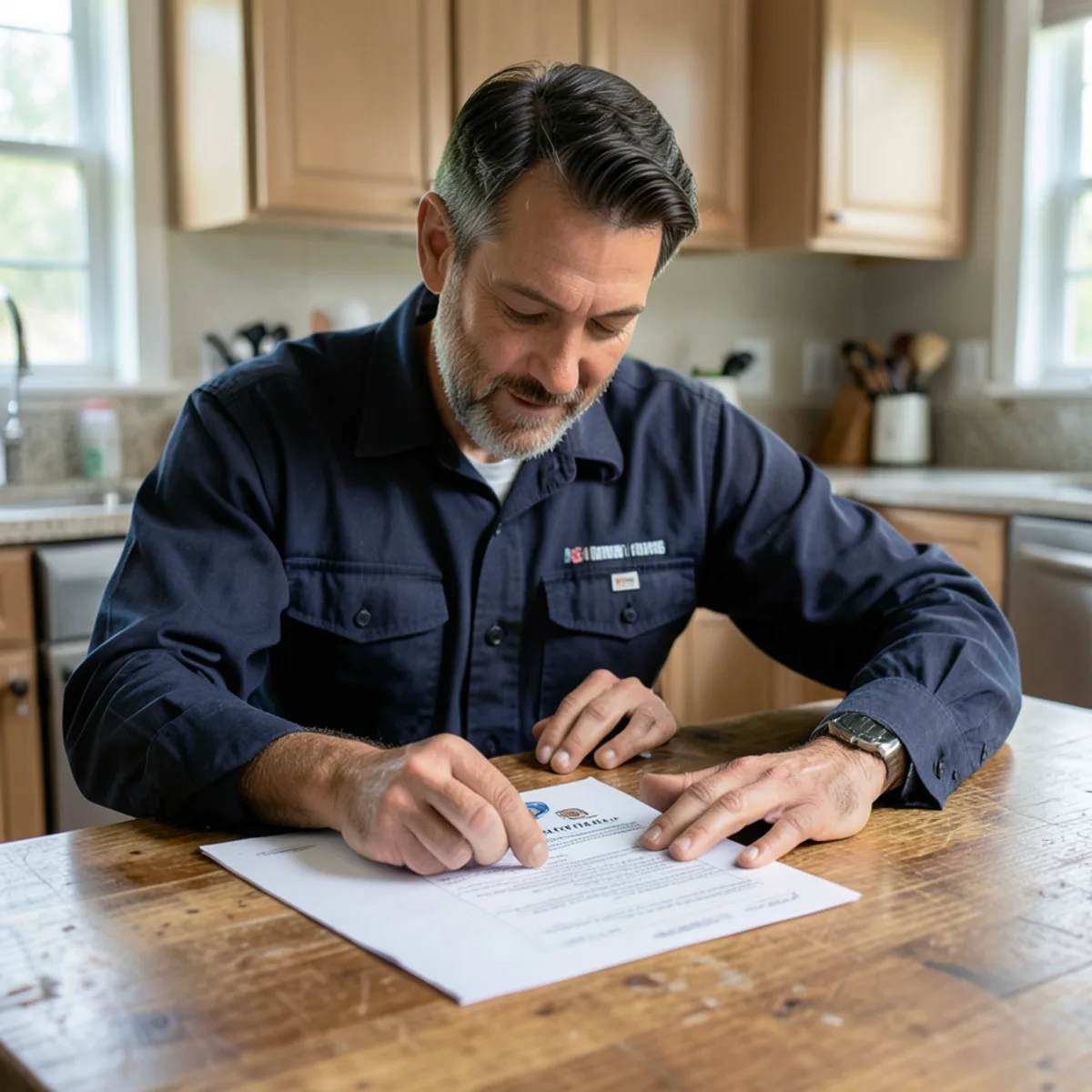
A Georgia termite bond is a legally binding service agreement between a property owner and a structural pest company. Following an initial barrier treatment or bait installation, the homeowner pays an annual renewal fee ($250 to $450) that covers mandatory yearly crawl space inspections and free corrective re-treatment if active termites are found, with select bonds also covering structural timber repairs.
- 1.Retreatment Only vs. Repair and Retreatment Bonds
- 2.What Voids a Georgia Termite Bond?
- 3.Average Termite Bond Costs in the Conyers Area
- 4.Annual Renewal Inspections: What the Technician Must Check Under Georgia Law
- 5.Transferring a Termite Bond During a Conyers Home Sale
- 6.Buyer Protection: Why an Independent Inspection Matters Even When a Bond Exists
- 7.Regulatory Perspective from the Georgia Department of Agriculture
- 8.Frequently Asked Questions
Retreatment Only vs. Repair and Retreatment Bonds
In Georgia, structural pest companies offer two distinctly different types of termite warranty agreements. Understanding which agreement you have is vital before assuming termite damage will be repaired:
Have an Active Pest Question in Conyers?
Call our direct dispatch line at (321) 496-4080 to speak with an independent local pest contractor serving Rockdale County.
What Voids a Georgia Termite Bond?
Homeowners must carefully review Section 8 of their Georgia subterranean termite agreement. Standard exclusions that can void a damage warranty include:
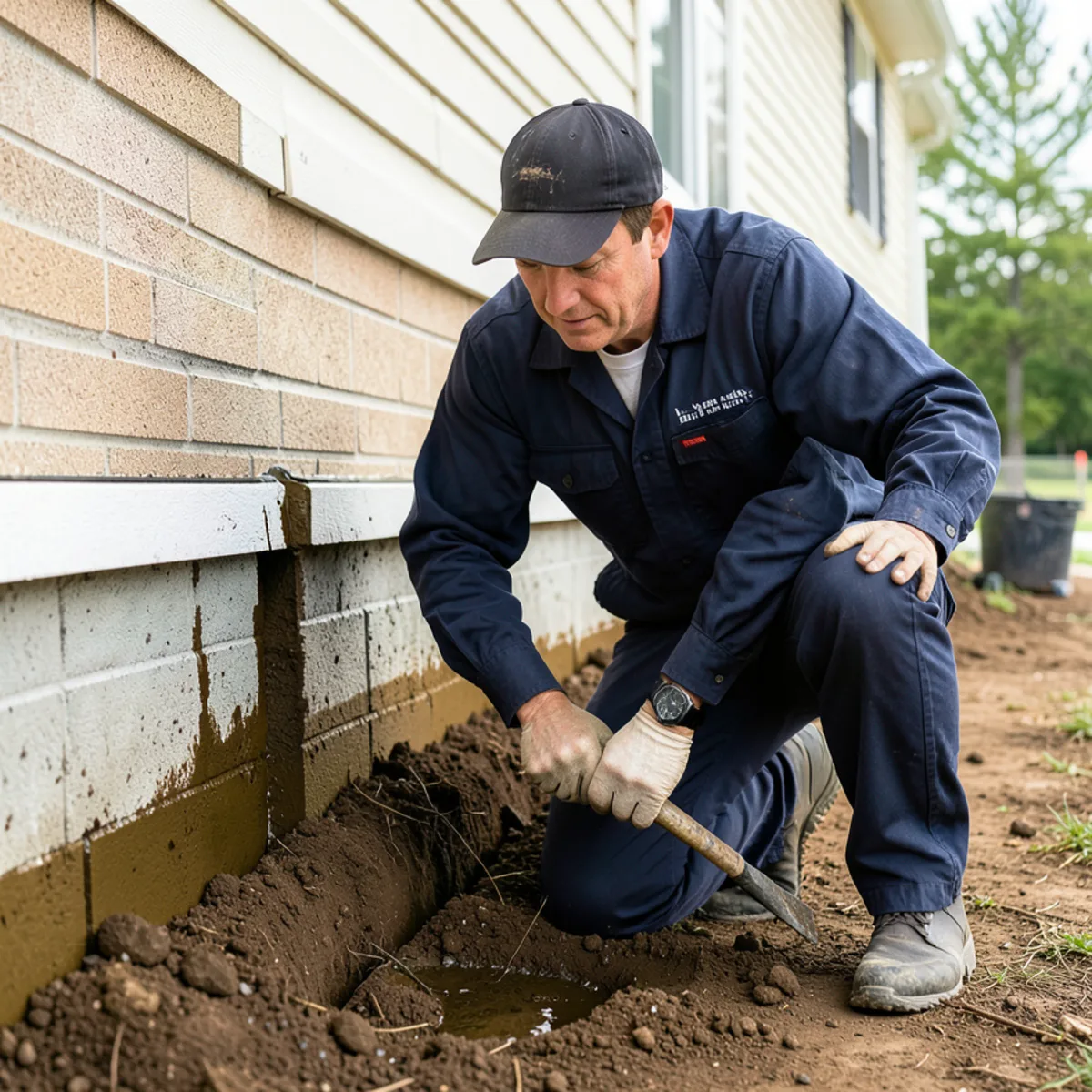
- Soil disturbance: Digging garden beds, adding patios, or trenching utility pipes through the treated chemical barrier zone without notifying the company.
- Crawl space moisture accumulation: Standing water, plumbing leaks, or failing sump pumps that elevate wood moisture levels and create conducive conditions.
- Wood-to-ground contact: Stacking firewood against foundation siding, adding un-treated wooden deck stairs directly on dirt, or piling pine straw above foundation brick lines.
- Room additions or alterations: Enclosing a back patio or building a room addition without contracting the pest company to treat the new slab expansion joints.
Average Termite Bond Costs in the Conyers Area
Termite warranty costs in Conyers and Rockdale County vary based on foundation style and perimeter linear footage:
- Initial treatment and bond establishment: $800 to $2,500 depending on home square footage and whether slab drilling is required.
- Annual bond renewal and inspection fee: $250 to $450 per year.
- Official Georgia WIIR closing clearance letter: $95 to $175 (often discounted or free if an active bond is maintained).
Annual Renewal Inspections: What the Technician Must Check Under Georgia Law
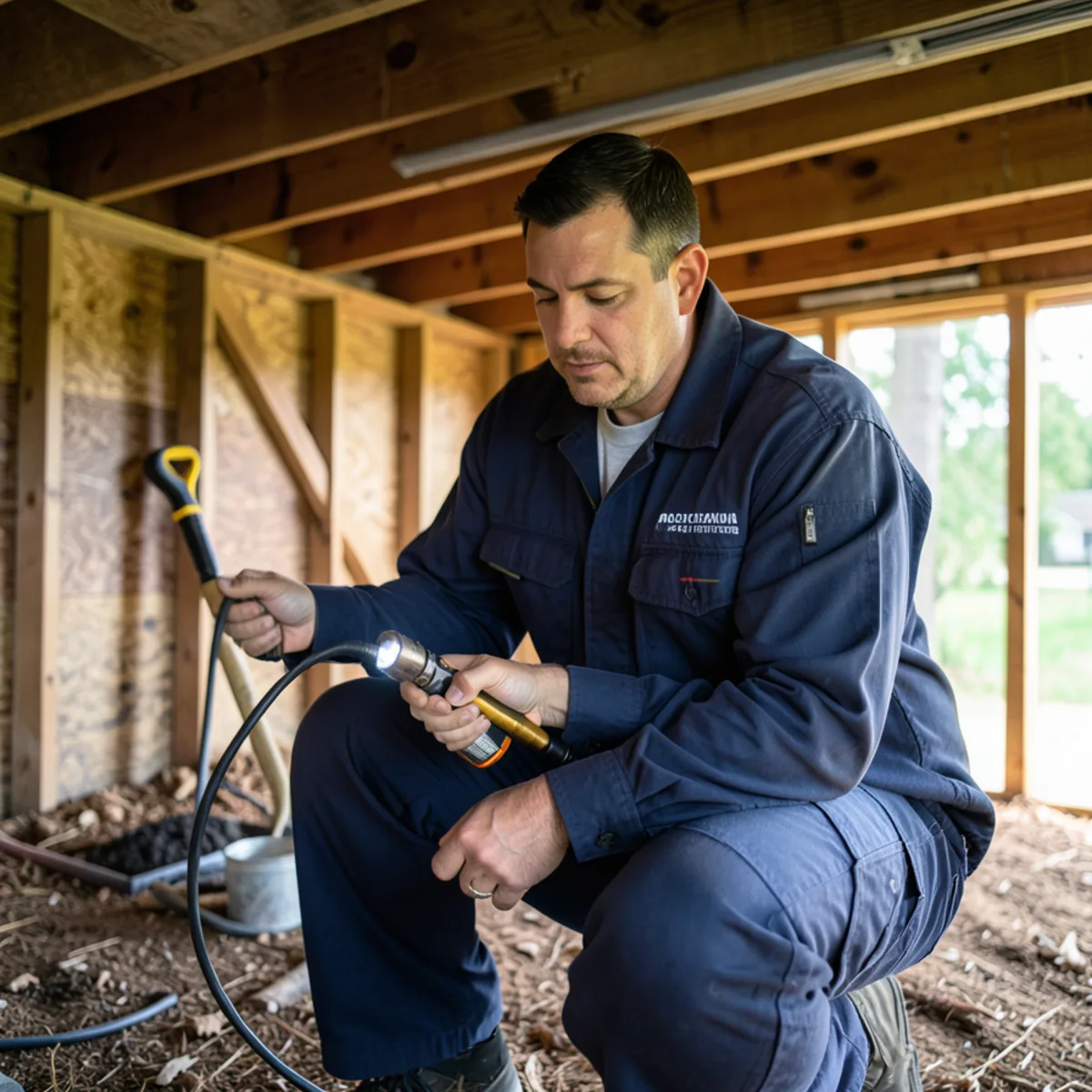
Under Georgia Structural Pest Control Commission Rule 620-6, an annual termite bond renewal is not merely an invoice—it requires a physical, comprehensive on-site inspection. The technician must visually examine all accessible foundation walls, masonry support piers, and perimeter sill plates. In homes with crawl spaces, the technician enters the sub-structure to probe suspect wooden joists, check for subterranean shelter tubes, inspect plumbing pipe sleeves, and record wood moisture content. If active termites or new conducive conditions (such as a plumbing drain drip or exterior mulch buildup) are observed, the technician must document these findings on a formal service ticket and schedule prompt corrective chemical treatment.
Transferring a Termite Bond During a Conyers Home Sale
When buying or selling a home in Rockdale County, transferring an existing termite bond can save the buyer thousands of dollars in initial treatment fees. Most Georgia termite agreements allow ownership transfer within 30 days of real estate closing, provided the annual renewal fee is current and a nominal transfer fee (typically $50 to $150) is paid. The buyer should request a copy of the original subterranean termite contract, foundation graph, and warranty terms before closing. If the bond lapses past the transfer deadline, the new homeowner may be required to pay for a brand-new perimeter barrier treatment to re-establish warranty coverage.
Buyer Protection: Why an Independent Inspection Matters Even When a Bond Exists
Homebuyers in Conyers often assume that purchasing a property with an active subterranean termite bond guarantees the structure is completely undamaged. This is a dangerous misconception. A termite bond guarantees that if live termites re-infest the home in the future, the company will perform chemical re-treatment at no charge. However, standard re-treatment bonds provide zero coverage for pre-existing structural timber damage caused by previous infestations. Even when a seller provides proof of an active annual bond, buyers should always commission an independent crawl space sounding inspection and verify that load-bearing sill plates, band joists, and subfloor headers remain structurally sound.
The Georgia Structural Pest Control Commission mandates that every subterranean termite contract must explicitly state on the front page whether the agreement provides structural damage repair or re-treatment only. Always check this disclosure box before signing an agreement.
Georgia Department of Agriculture Structural Pest Control Division / Rule 620-6
Frequently Asked Questions
No, a termite bond is not legally mandatory under Georgia law. However, almost all mortgage lenders (including conventional, FHA, and VA loans) require an Official Georgia Wood Infestation Inspection Report (WIIR) proving the home is free of active wood-destroying insects before approving closing funds.
Our local guides cite verified state regulatory bodies, university cooperative extension services, and official pest management standards.
- [1]Official Georgia Subterranean Termite Rules— Georgia Structural Pest Control Commission
- [2]Understanding Termite Warranties— UGA Department of Entomology