
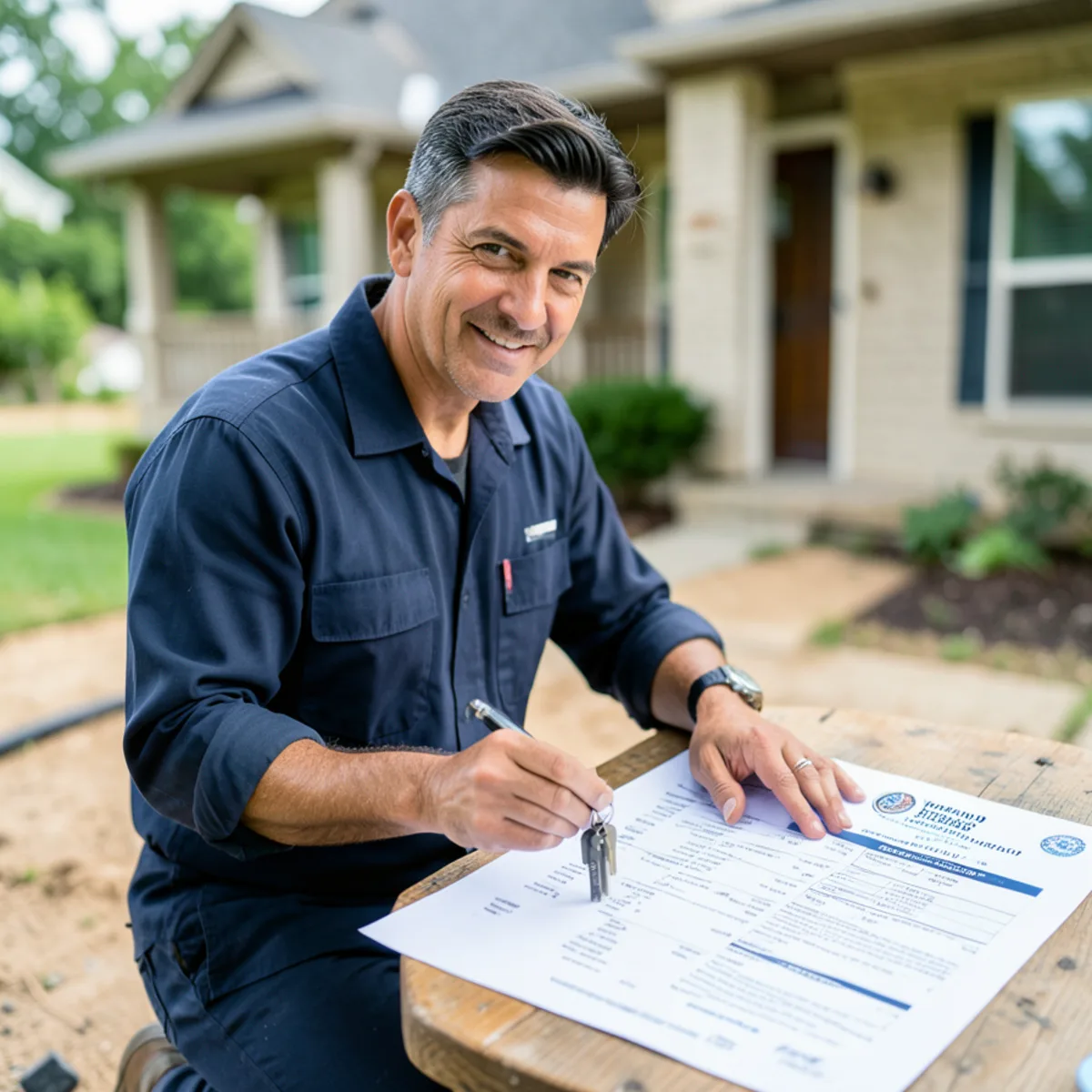
A Georgia termite letter (WIIR) is a state-mandated legal document issued by a licensed structural pest company following a comprehensive property inspection. Valid for 90 days, the report certifies whether visible evidence of active or previous infestations of subterranean termites, drywood termites, powder post beetles, or wood-decaying fungi exists in accessible structural areas.
- 1.What the Official Georgia WIIR 90-Day Form Actually Covers
- 2.Section 4 Inaccessible Areas: How Hidden Crawl Spaces and Hardwoods Impact Clearances
- 3.What Happens When Active Infestation or Previous Damage is Discovered
- 4.The Difference Between a General Home Inspection and an Official Georgia WIIR
- 5.Key Steps for Buyers and Sellers in Rockdale County
- 6.Legal Boundary of the Georgia WIIR
- 7.Frequently Asked Questions
What the Official Georgia WIIR 90-Day Form Actually Covers
The Georgia Structural Pest Control Commission strictly regulates the WIIR form. The inspection covers four specific categories of wood-destroying organisms:
- Subterranean termites (Reticulitermes flavipes): The most common and destructive wood-destroying insect across east metro Atlanta.
- Drywood termites: Rare in northern Georgia but occasionally introduced in imported coastal timbers or furniture.
- Powder post beetles (Lyctidae / Anobiidae): Wood-boring beetles that leave tiny 1/16-inch exit 'shot holes' and fine powdery frass in crawl space joists.
- Wood-decaying fungi: Fungal rot that degrades structural framing when wood moisture levels exceed 20%.
Have an Active Pest Question in Conyers?
Call our direct dispatch line at (321) 496-4080 to speak with an independent local pest contractor serving Rockdale County.
Section 4 Inaccessible Areas: How Hidden Crawl Spaces and Hardwoods Impact Clearances
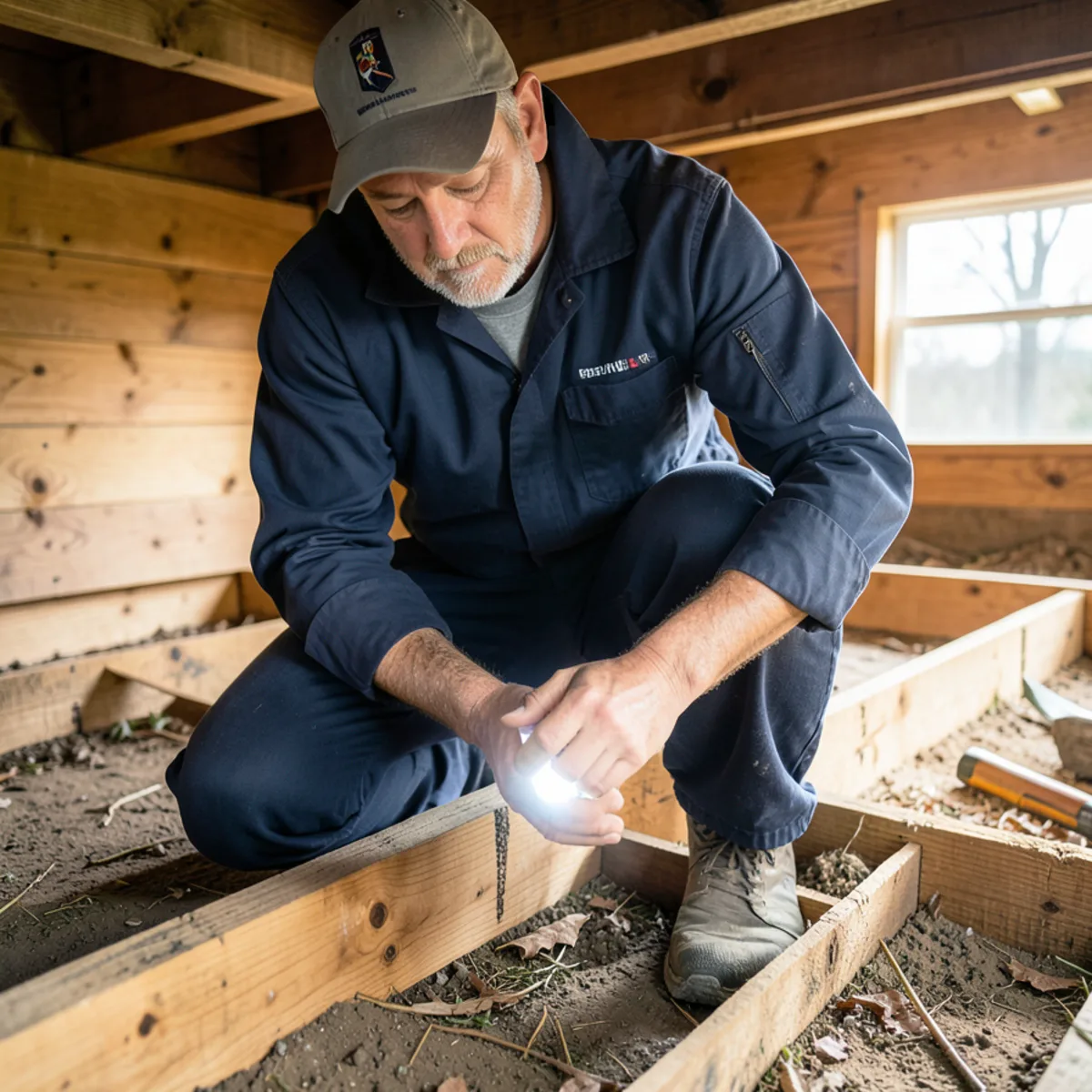
The back of the Georgia WIIR form explicitly lists inaccessible areas that were not inspected, such as finished basement wall cavities, subflooring under vinyl or hardwood flooring, and low-clearance crawl spaces under 18 inches. Homebuyers should always review Section 4 to see what structural areas the inspector could not visually verify. If a crawl space area was blocked by ductwork or insulation, mortgage underwriters may require clearing access and ordering a supplemental clearance check before approving final closing paperwork.
What Happens When Active Infestation or Previous Damage is Discovered
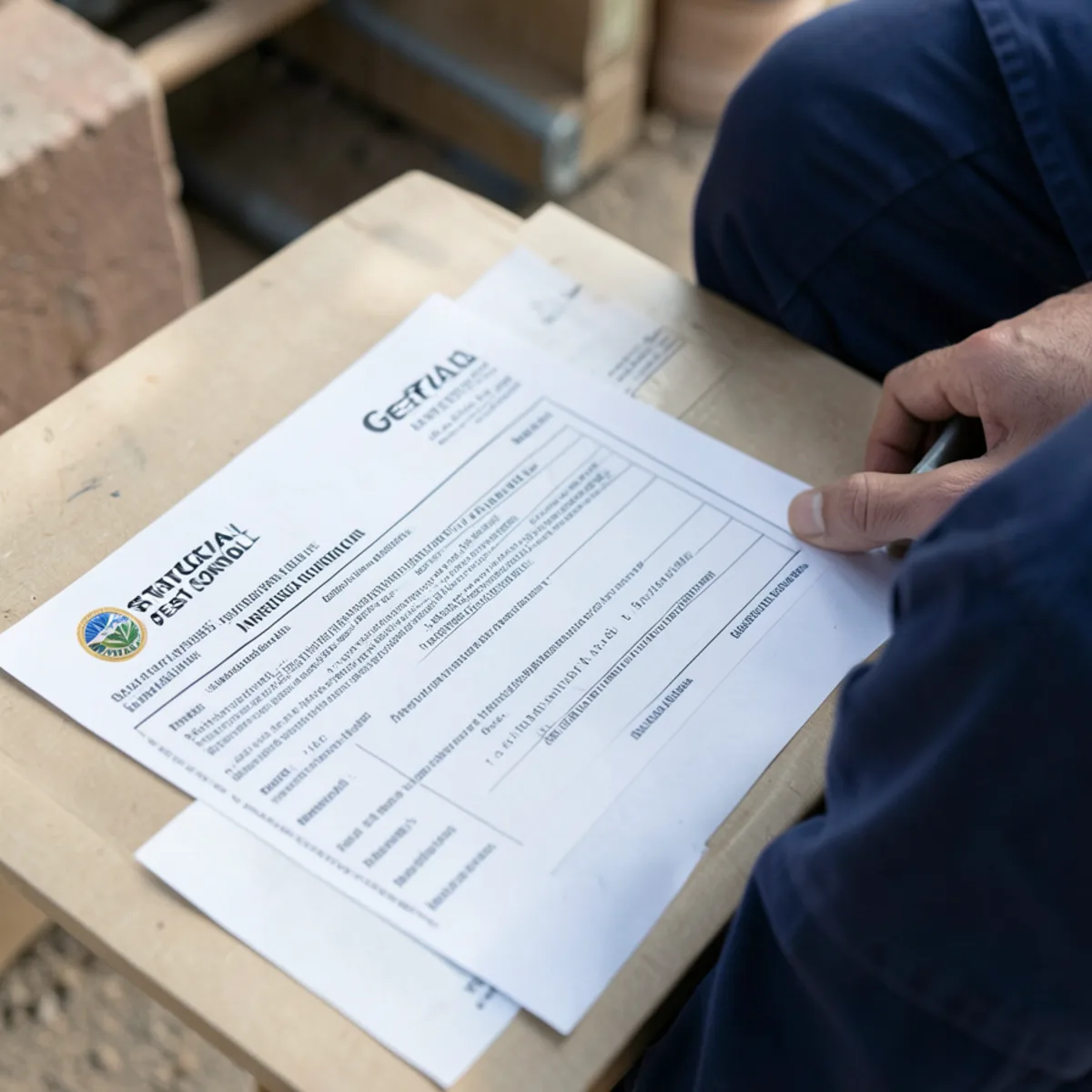
Discovering termite evidence on a WIIR does not necessarily kill a real estate closing in Conyers. If active subterranean termites are discovered, Georgia real estate standard purchase agreements typically require the seller to pay for a certified barrier treatment and provide an official warranty bond before closing. If only previous damage is found without live insects, the report marks 'Previous Infestation / Damage Observed.' In that scenario, lenders often request a licensed general contractor or structural engineer to sign off that the affected joists or sills retain structural integrity.
The Difference Between a General Home Inspection and an Official Georgia WIIR
Many first-time homebuyers mistakenly believe that a standard home inspector's report replaces the need for a Georgia termite letter. Under Georgia law, general home inspectors are legally prohibited from issuing certified wood-destroying organism clearances unless they hold a Category 35 structural pest license issued by the Georgia Department of Agriculture. While a home inspector may note cosmetic wood rot on an exterior fascia board, only an official WIIR conducted by a licensed structural pest company satisfies mortgage lender underwriting criteria and provides official liability documentation regarding subterranean termites and wood-decaying fungi.
Key Steps for Buyers and Sellers in Rockdale County
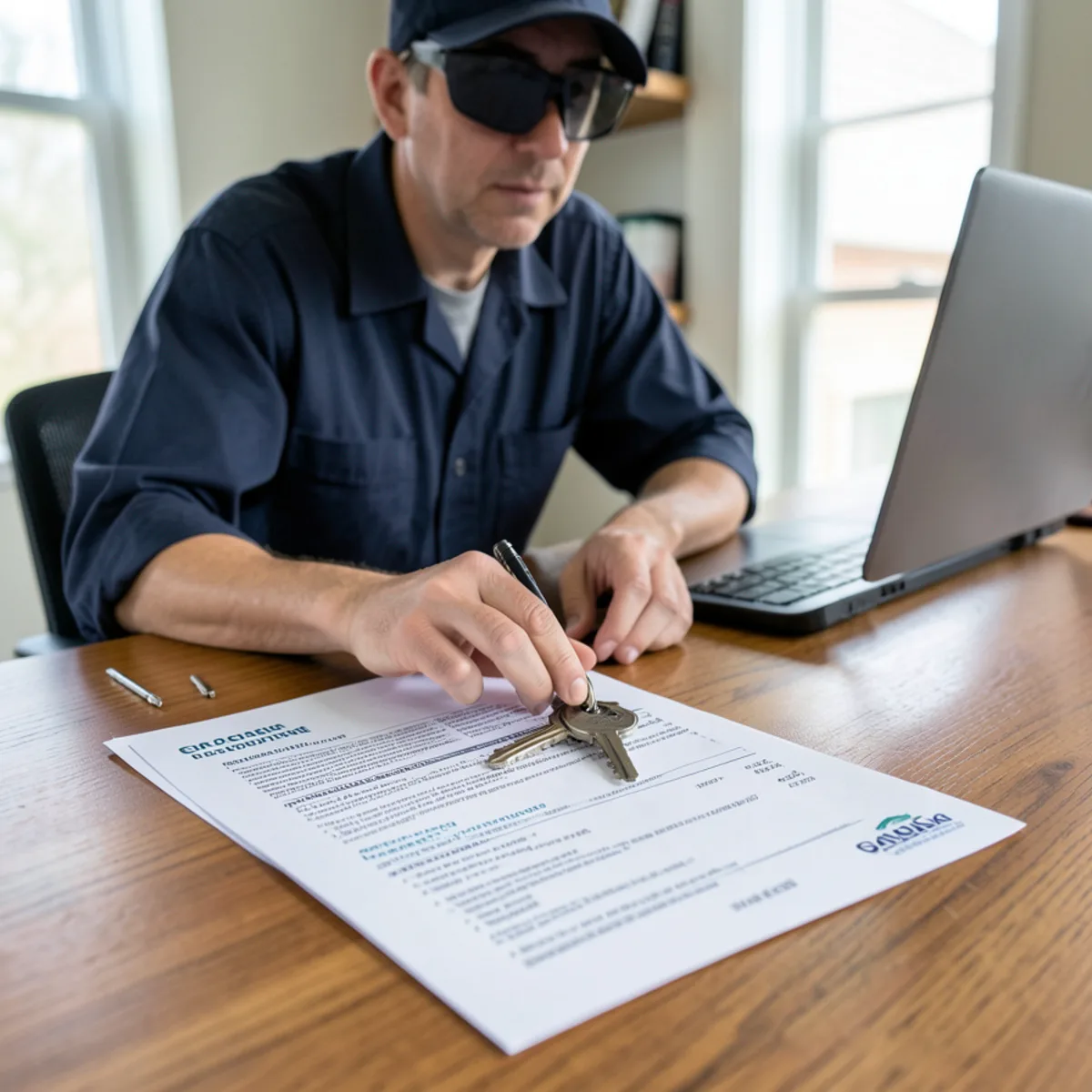
To avoid closing delays along the I-20 corridor, buyers and sellers should coordinate the termite inspection early in the closing window:
- Order the inspection 2 to 3 weeks before closing: A Georgia WIIR is legally valid for 90 days from the inspection date, giving ample time to correct any findings.
- Ensure unobstructed crawl space and attic access: Move stored boxes away from crawl space entrance wells, foundation vents, and attic hatch access doors.
- Verify active termite warranty documentation: Sellers should locate original treatment contracts and annual renewal receipts to document continuous bond coverage.
An Official Georgia WIIR is not a guarantee that wood-destroying organisms are completely absent from concealed voids. It is a visual inspection report of accessible areas on the exact date of inspection. Homebuyers should always pair a WIIR with an active annual termite warranty bond.
Georgia Structural Pest Control Commission / Form SPCC-WIIR-01
Frequently Asked Questions
Under Georgia Structural Pest Control Commission regulations, an Official Georgia WIIR is legally valid for exactly 90 calendar days from the date of the physical on-site inspection.
Our local guides cite verified state regulatory bodies, university cooperative extension services, and official pest management standards.
- [1]Official Georgia Wood Infestation Inspection Report Rules— Georgia Department of Agriculture
- [2]Homebuyer's Guide to Termite Clearances— Georgia Association of Realtors