
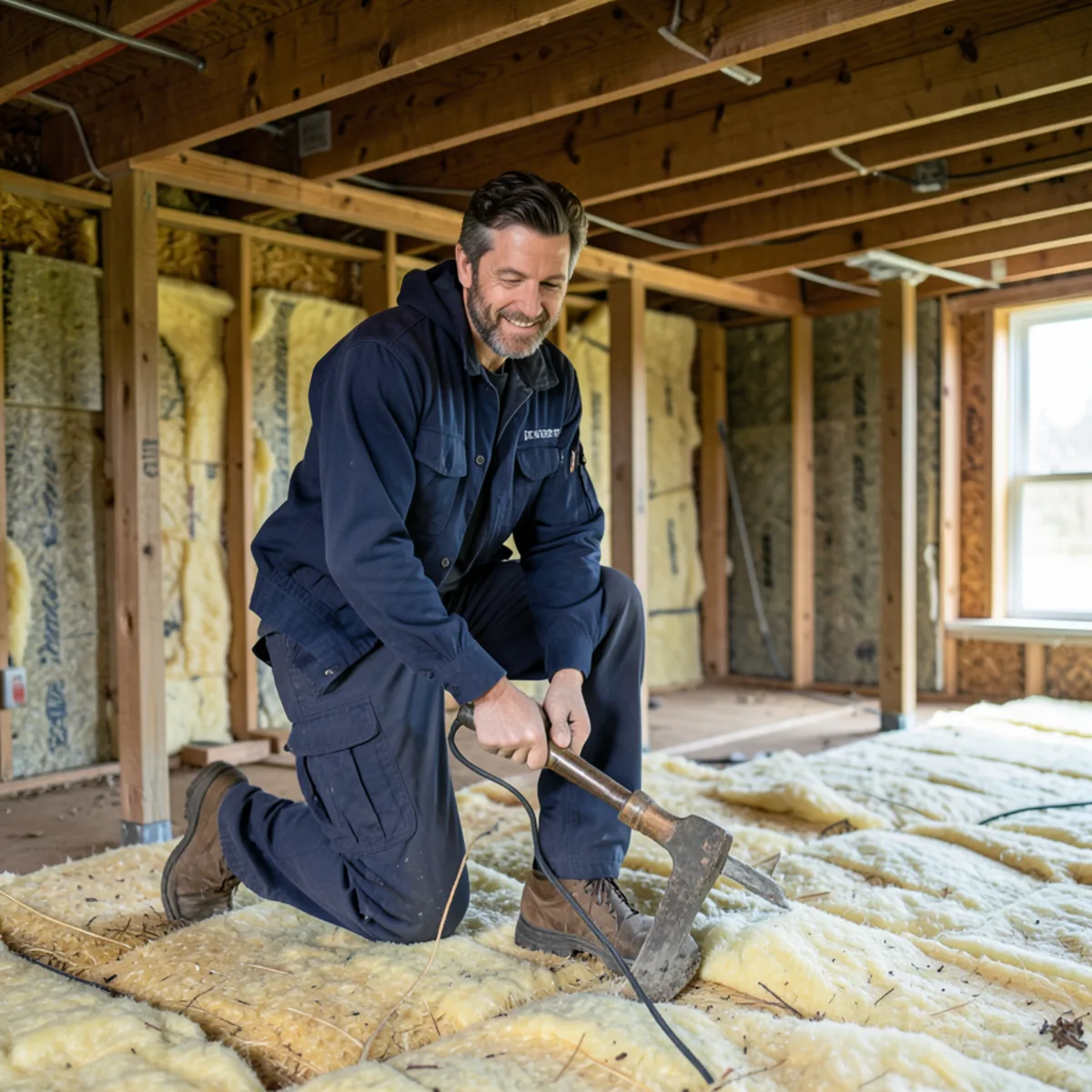
Mice and rats invade Conyers crawl spaces seeking warmth, nesting insulation, and protection from winter weather. Prevent and eliminate them through professional exclusion sealing using chew-proof 1/4-inch galvanized hardware cloth over foundation vents, coupled with targeted mechanical snap trapping inside the sub-structure—avoiding loose poison baits that cause rodents to die inside interior walls.
- 1.Why Crawl Spaces Are Rodent Magnets in Winter
- 2.Signs of an Active Crawl Space Rodent Infestation
- 3.Why Poison Baits in Crawl Spaces Are a Mistake
- 4.The Danger of Crawl Space Moisture and Torn Vapor Barriers
- 5.Whole-Home Exclusion vs. Temporary Poison Baiting: The Permanent Fix
- 6.Sanitation and Deodorization After Rodent Clearance
- 7.Rodent Exclusion Physics & Structural Gaps
- 8.Frequently Asked Questions
Why Crawl Spaces Are Rodent Magnets in Winter
Between late October and early January, east metro Atlanta temperatures regularly drop below freezing at night. Residential crawl spaces remain protected from wind and maintain temperatures 10 to 15 degrees warmer than open fields. Crawl spaces also provide three critical rodent survival needs:
- Thick fiberglass batt insulation hanging beneath floor joists, which rodents tear apart to construct warm, concealed nesting burrows.
- Warm condensation lines and domestic plumbing supply pipes that provide continuous drinking water.
- Unrestricted runway access to wall cavities and kitchen pantries through unsealed plumbing holes beneath tubs, sinks, and dishwashers.
Have an Active Pest Question in Conyers?
Call our direct dispatch line at (321) 496-4080 to speak with an independent local pest contractor serving Rockdale County.
Signs of an Active Crawl Space Rodent Infestation
Homeowners rarely look inside their crawl spaces during winter, but rodents leave distinctive warning signs that should prompt an immediate phone call:
- Nighttime scratching, bumping, or rustling sounds in subflooring or lower walls between 11 PM and 5 AM.
- Fallen or shredded pink/yellow fiberglass insulation hanging down to the dirt floor.
- Piles of small, dark droppings along foundation ledges, around water heaters, or atop the plastic vapor barrier.
- Grease rub marks along wooden sill plates and floor joists caused by rodent body oils on habitual travel runways.
- A distinct ammonia-like urine smell wafting up through HVAC floor registers.
Why Poison Baits in Crawl Spaces Are a Mistake
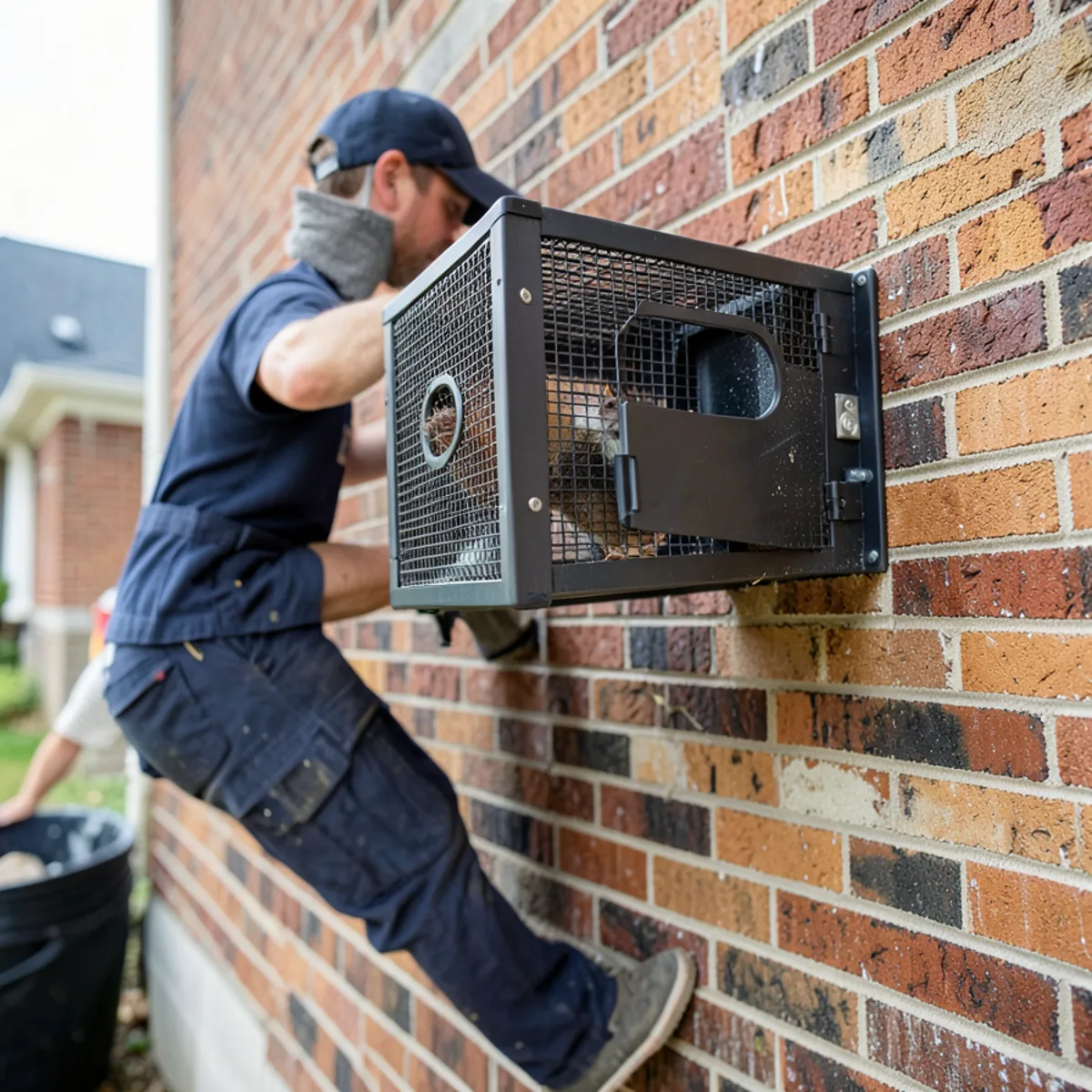
Placing anticoagulant rodenticide blocks in crawl spaces often backfires disastrously. Rodents eat the bait, become disoriented, and crawl into inaccessible wall voids, subflooring pockets, or return air plenums before expiring. The resulting decomposition odor can make bedrooms uninhabitable for weeks, requiring costly drywall cutting to locate the carcass. Professional contractors prioritize mechanical snap trapping inside enclosed bait boxes to physically remove rodents.
The Danger of Crawl Space Moisture and Torn Vapor Barriers
In Rockdale County, crawl space moisture issues and rodent infestations are closely linked. Heavy winter rains saturate dense red clay soils, causing moisture to wick up through crawl space dirt floors. When high humidity saturates fiberglass insulation, the damp, darkened void creates an irresistible harborage for Norway rats and deer mice. As rodents dig burrows, they tear through the 6-mil polyethylene vapor barrier, exposing raw wet earth and accelerating structural wood decay. Professional remediation requires patching torn vapor barriers and ensuring foundation vents provide balanced cross-ventilation.
Whole-Home Exclusion vs. Temporary Poison Baiting: The Permanent Fix
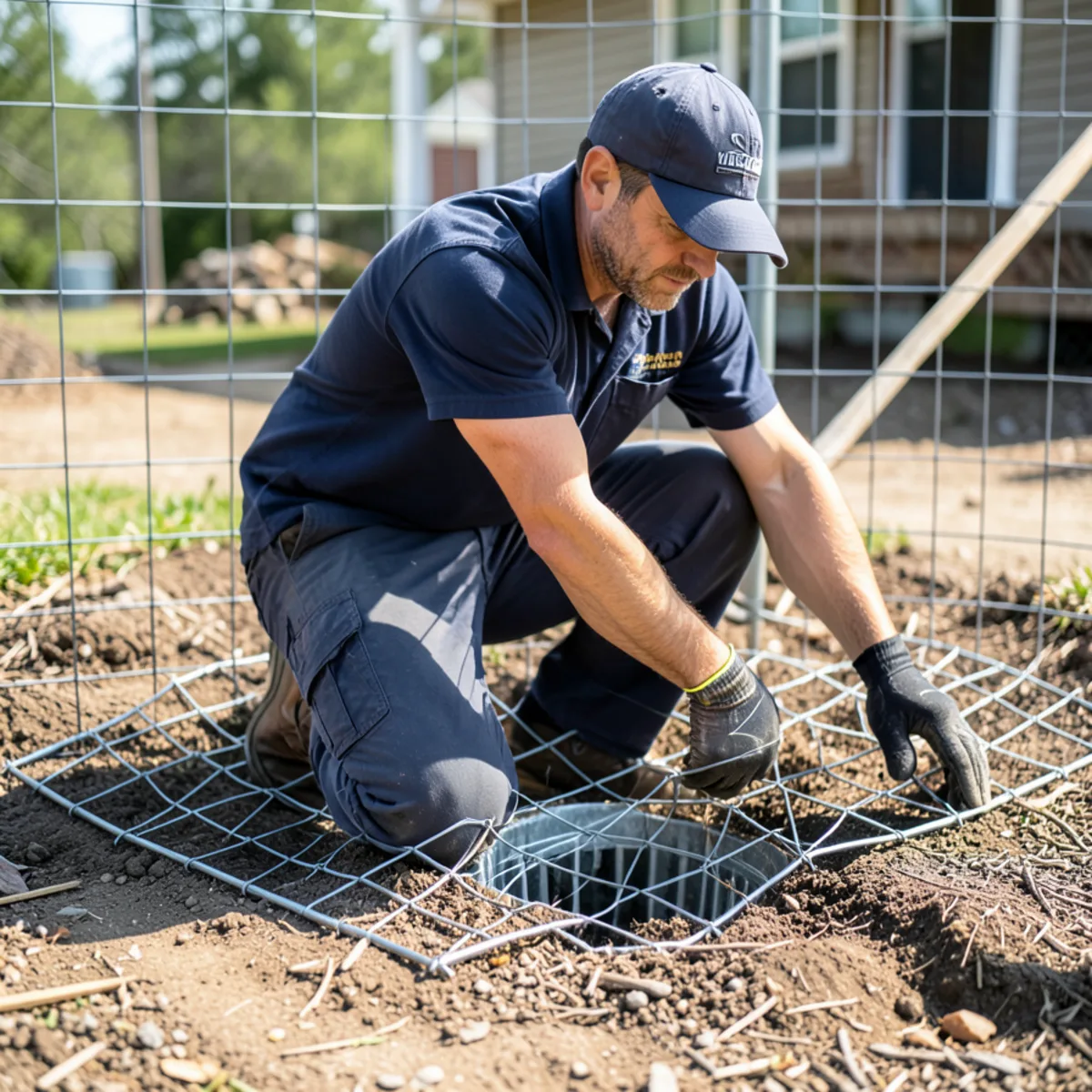
Trapping alone only removes current invaders; without structural exclusion, neighboring rodents will re-enter through the exact same gaps within weeks. A permanent exclusion program seals every perimeter opening larger than 1/4 inch. Contractors install heavy-gauge 1/4-inch galvanized steel hardware cloth over foundation louvered vents, pack copper wire mesh around HVAC refrigerant chase penetrations, and seal exterior plumbing sleeves with polyurethane elastomeric sealant. Unlike spray foam alone—which rodents can chew through in minutes—galvanized hardware cloth and copper mesh create an impenetrable barrier that keeps crawl spaces rodent-free for years.
Sanitation and Deodorization After Rodent Clearance
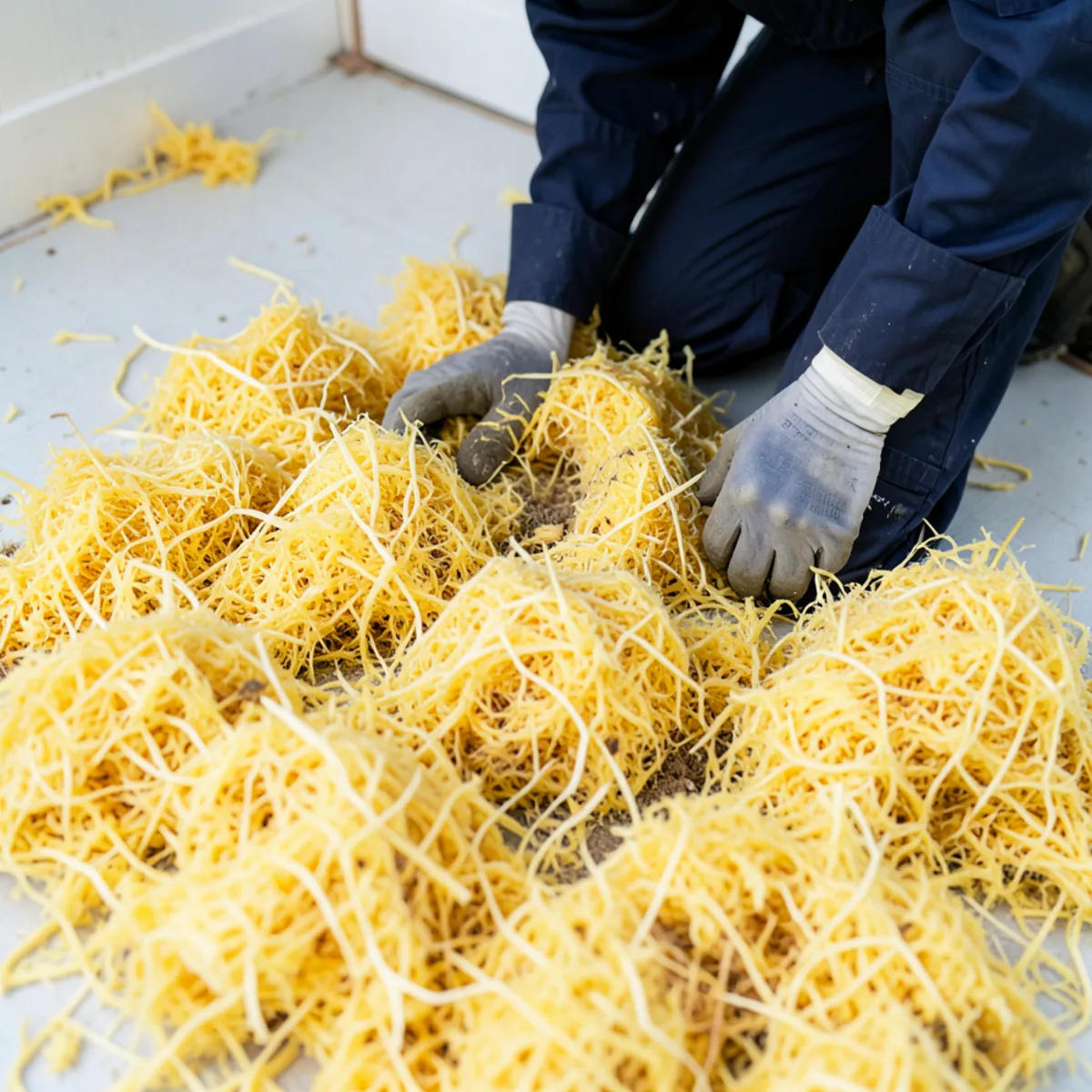
Once active trapping achieves zero rodent captures and exterior exclusion seals are verified, the final vital step is sanitizing the subfloor environment. Mice and rats leave behind heavy pheromone scent trails, urine markings, and fecal pellets that signal safe harborage to outside rodents. Technicians apply specialized botanical enzyme sanitizing sprays across floor joists and subflooring to break down uric acid crystals and neutralize pheromones. Soiled fiberglass insulation batts that have been crushed or contaminated must be bagged and removed, and any damaged sections of the 6-mil polyethylene ground vapor barrier should be patched and taped to maintain soil moisture control.
A full-grown Norway rat can squeeze through an opening just 1/2 inch wide, while a juvenile house mouse requires only 1/4 inch. If you can slide an ordinary pencil into a gap around an exterior pipe sleeve, a mouse can enter effortlessly.
University of Georgia Extension / Georgia Structural Pest Control Commission
Frequently Asked Questions
Yes. Rodents frequently follow plumbing lines from the crawl space directly up into kitchen sink cabinets, under dishwashers, and behind bathroom tubs through unsealed subfloor penetrations.
Our local guides cite verified state regulatory bodies, university cooperative extension services, and official pest management standards.
- [1]Commensal Rodents and Their Control— University of Georgia Extension
- [2]Rodent Exclusion Standards— Georgia Structural Pest Control Commission