
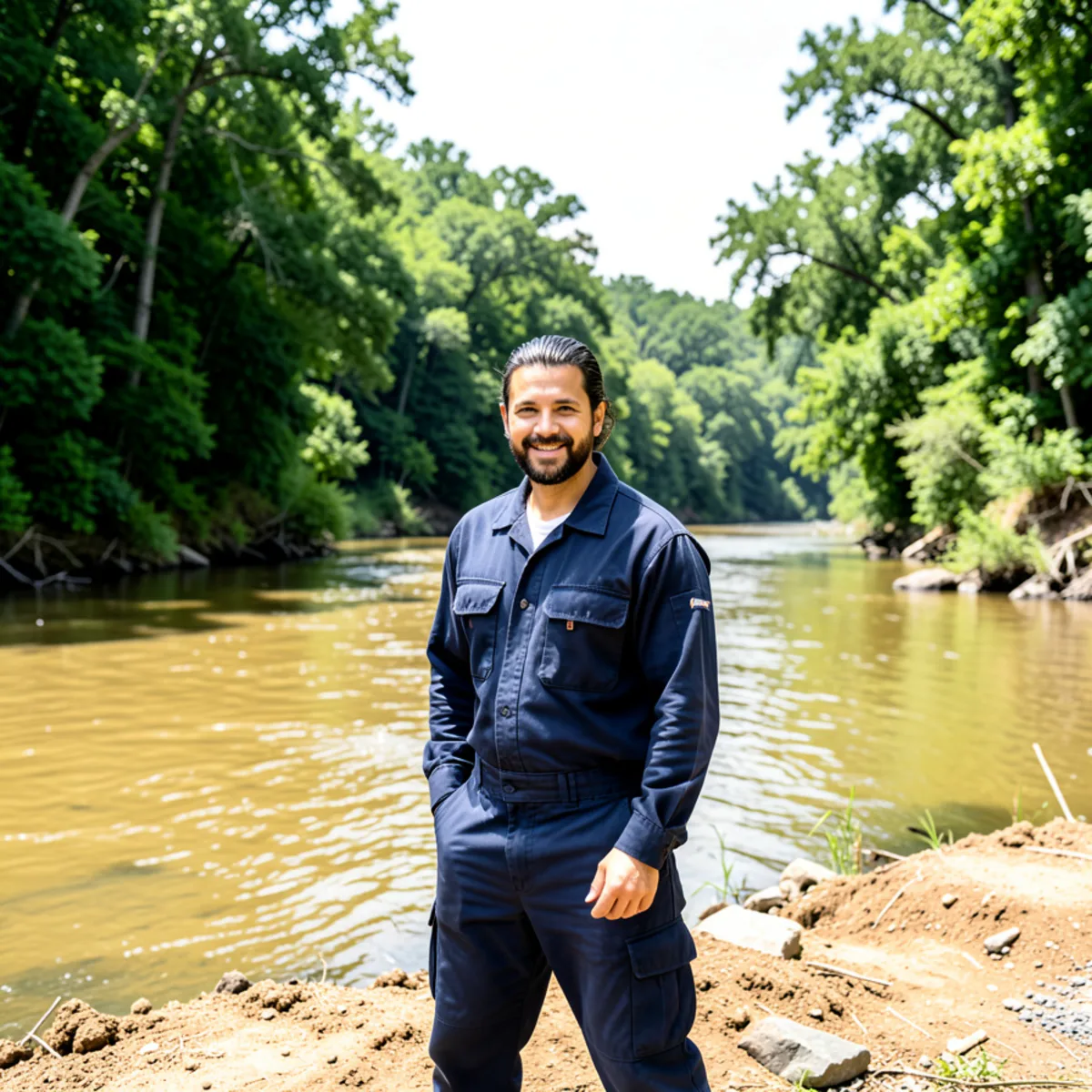
Control mosquitoes around Conyers properties by combining weekly standing water elimination with professional biological larvicides (Bti dunks) in non-draining areas, alongside targeted monthly foliage barrier backpack misting applied to the shaded undersides of ornamental shrubbery where adult mosquitoes harbor during hot midday hours.
- 1.Why the Yellow River Basin Breeds Intense Mosquito Pressure
- 2.The 10-Point Weekly Yard Walk-Around Checklist
- 3.Targeting Shaded Hardwood Canopies and English Ivy Beds
- 4.Biological Larviciding (Bti) in Conyers Drainage Swales and Retention Ponds
- 5.The 3-Tier Integrated Mosquito Defense: Larviciding, Barrier Misting, and Drainage
- 6.Entomological Insight on Container Breeding Physics
- 7.Frequently Asked Questions
Why the Yellow River Basin Breeds Intense Mosquito Pressure
Conyers receives approximately 50.53 inches of annual precipitation. In river basin neighborhoods and wooded subdivisions off Klondike Road, Milstead, and GA-138, heavy rain saturates clay soils and fills thousands of micro-containers. Two primary mosquito species dominate Rockdale County:
- Asian tiger mosquito (Aedes albopictus): Aggressive daytime biters with black-and-white striped legs that breed in containers as small as a bottle cap and rarely fly more than 300 feet from their hatching site.
- Common house mosquito (Culex pipiens): Dusk-to-dawn biters that breed in stagnant, organic-rich water such as clogged gutters, storm drains, and retention ponds.
Have an Active Pest Question in Conyers?
Call our direct dispatch line at (321) 496-4080 to speak with an independent local pest contractor serving Rockdale County.
The 10-Point Weekly Yard Walk-Around Checklist
Homeowners can eliminate up to 75% of active breeding sites by performing this 10-minute property walk-around every Sunday:
- Dump flowerpot saucers, planter bases, and decorative ceramic urns.
- Inspect corrugated plastic downspout extensions for trapped standing water in accordion ribs.
- Empty and brush birdbaths twice weekly to dislodge mosquito egg rafts.
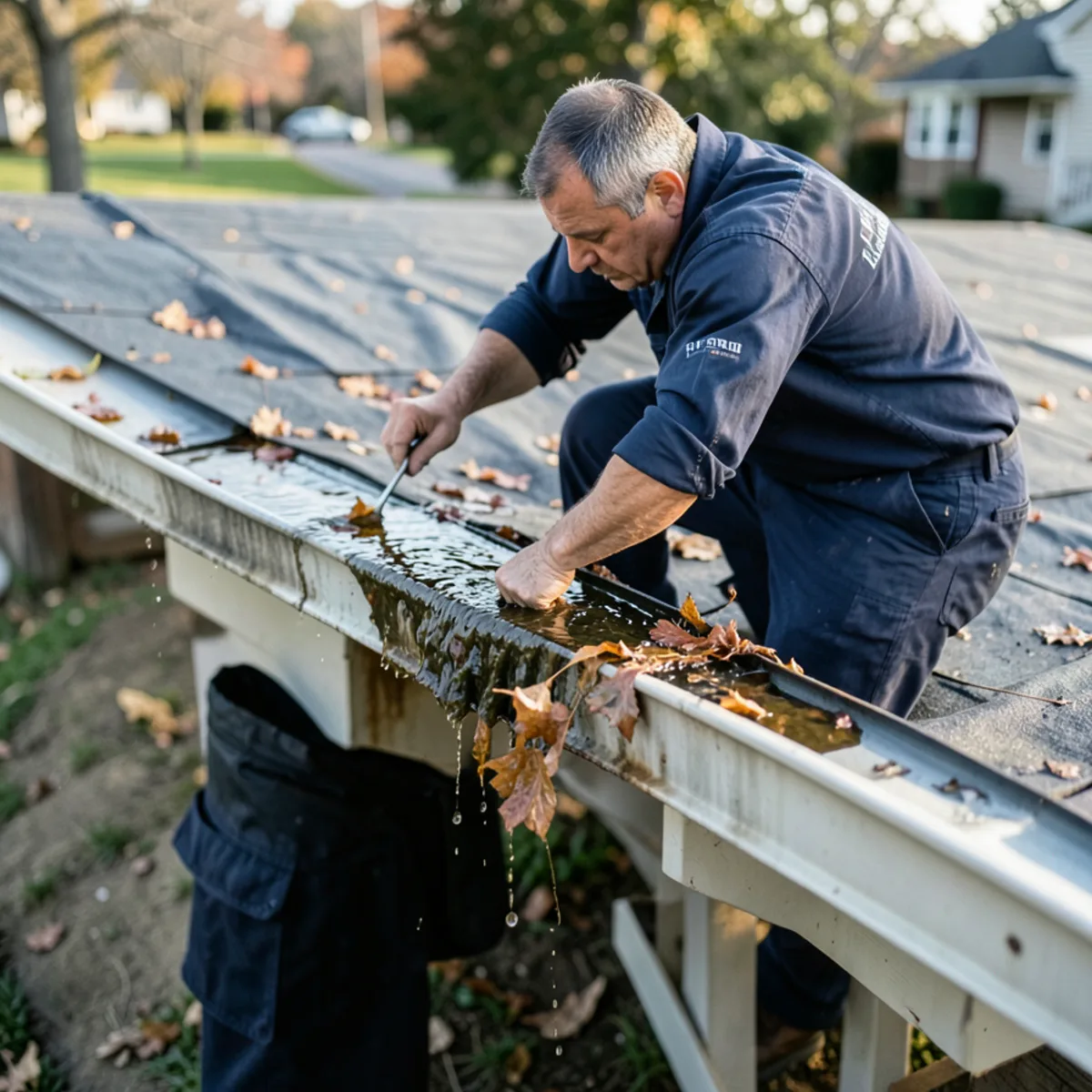
- Clear oak leaf and pine straw blockages from roof gutter troughs and downspout elbows.
- Invert plastic children's toys, wheelbarrows, and kiddie wading pools when not in use.
- Check perimeter tire swings, tree hollows, and tarps covering boats, grills, or firewood.
- Inspect dog and cat outdoor water bowls and refill with fresh water daily.
- Check air conditioner condensation drip lines where water puddles against foundation walls.
- Clear drainage swales along fence lines to prevent water pooling longer than 48 hours.
- Treat ornamental backyard fishponds and rain barrels with biological Bti dunks.
Targeting Shaded Hardwood Canopies and English Ivy Beds
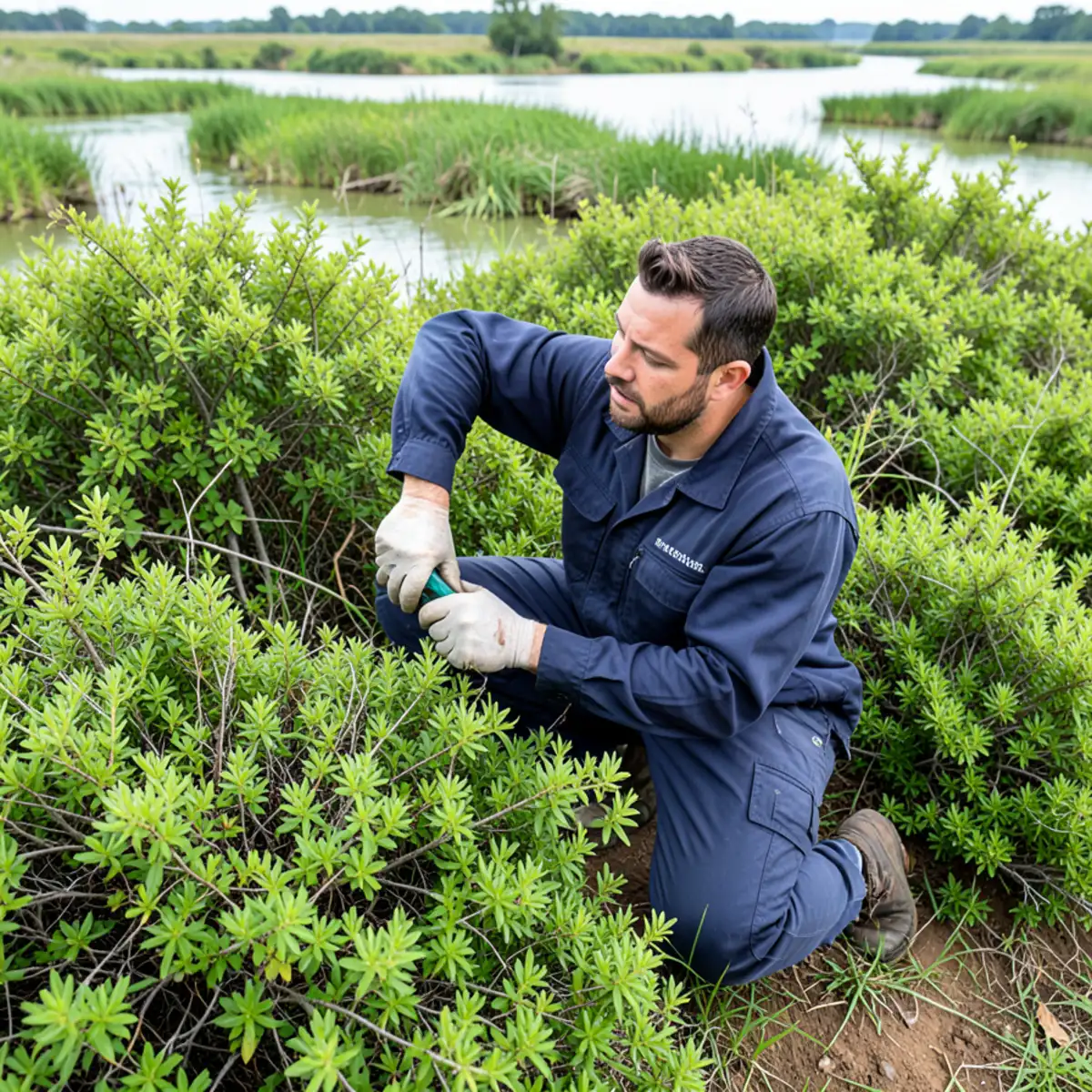
Mosquitoes are cold-blooded insects that dehydrate quickly under Georgia's intense summer sun. During hot midday hours (10 AM to 5 PM), adult mosquitoes harbor in cool, shaded microclimates created by dense vegetation. In Conyers yards, prime resting zones include the undersides of broadleaf shrubs (such as cherry laurels, hydrangeas, and rhododendrons), thick English ivy groundcovers, and shaded areas beneath elevated wooden decks. Professional backpack barrier misting targets these exact leaf undersides with micro-encapsulated formulations that bond to foliage without washing away in standard summer thunderstorms.
Biological Larviciding (Bti) in Conyers Drainage Swales and Retention Ponds
For water features that cannot be drained—such as landscape ponds, roadside drainage swales, and subdivision stormwater retention areas—biological larvicides offer the gold standard in environmental safety. Products containing Bacillus thuringiensis israelensis (Bti) are naturally occurring soil bacterium formulations pressed into floating 'dunks' or granules. When mosquito larvae feed on Bti, the crystal proteins disrupt the larval digestive tract within 24 hours, killing the insects before they emerge as biting adults. Bti is completely non-toxic to honeybees, dragonflies, fish, frogs, pets, and children.
The 3-Tier Integrated Mosquito Defense: Larviciding, Barrier Misting, and Drainage
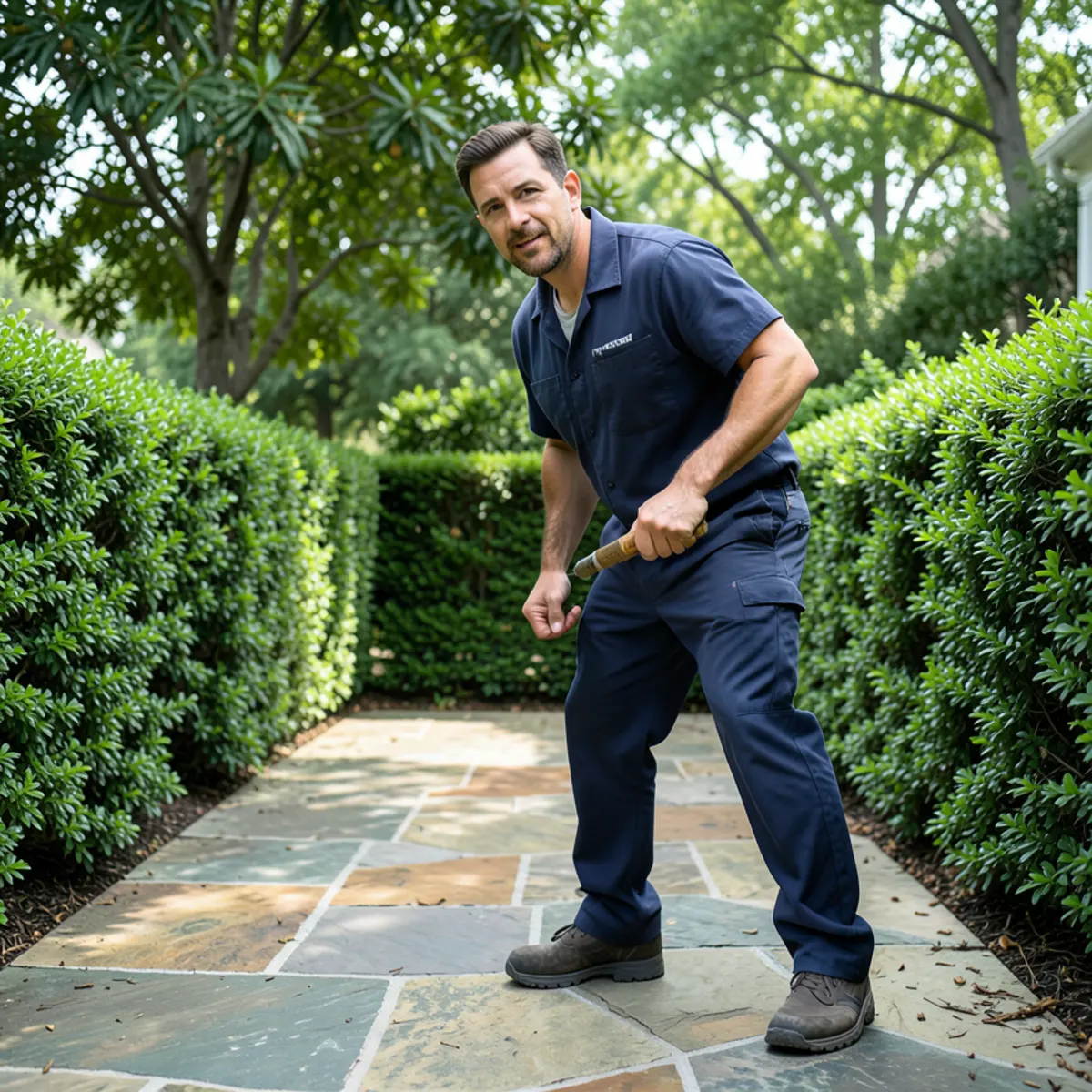
Achieving true outdoor comfort along the Yellow River basin requires more than just spraying leaves. Elite pest contractors deploy a synchronized 3-tier strategy: (1) Source reduction through homeowner water dumping; (2) Biological larviciding using natural Bti briquettes in drainage channels, creek buffers, and non-draining low spots; and (3) Precision micro-encapsulated adulticide misting along perimeter tree canopies and shrub understories. This comprehensive combination eliminates existing biting adults while simultaneously interrupting the 7-day aquatic larval development cycle, delivering superior relief throughout Georgia's humid summer months.
The invasive Asian tiger mosquito does not breed in open lakes or swift-moving rivers. Over 80% of urban mosquito complaints in Georgia originate from artificial micro-containers within 150 feet of the homeowner's back patio.
University of Georgia Extension Urban Entomology / Circular 1076
Frequently Asked Questions
Responsible professionals follow strict pollinator protection protocols under Georgia Department of Agriculture regulations. Barrier mists are applied low along foliage undersides, avoiding flowering blossoms, vegetable gardens, and active pollinator foraging times.
Our local guides cite verified state regulatory bodies, university cooperative extension services, and official pest management standards.
- [1]Mosquito Management Around the Home— University of Georgia Cooperative Extension Circular 1076
- [2]Integrated Mosquito Management Guidelines— American Mosquito Control Association